
Fruits and Vegetables for Better Digestion
Discover how nature's finest produce can support your digestive wellness. Comprehensive guides, expert insights, and practical advice on nourishing your gut with whole foods.
Why Digestive Health Matters
Your digestive system is the foundation of overall wellness. When it functions optimally, your body can absorb essential nutrients, maintain energy levels, and support immune function. Yet modern diets often lack the fibre and vital compounds that keep digestion running smoothly. Fruits and vegetables are nature's digestive powerhouses, packed with soluble and insoluble fibre, prebiotics, antioxidants, and enzymes that work together to nourish your gut microbiome.
This editorial platform brings you evidence-based information about which produce supports digestive wellness best. We explore the science behind different foods, share practical dietary approaches, and provide guidance on how to build a produce-rich eating pattern that feels sustainable for your life.
- Fibre-rich choices that support healthy bowel function and feed beneficial bacteria
- Anti-inflammatory fruits that may help soothe the digestive tract
- Enzyme-containing produce that aids natural nutrient breakdown

Produce Varieties for Digestive Wellness
Leafy Greens
Spinach, kale, and lettuce provide soluble fibre and chlorophyll that support digestive balance and nutrient absorption.
Cruciferous Vegetables
Broccoli, cabbage, and cauliflower contain compounds that feed good bacteria and promote a healthy gut environment.
Fruits with Pectin
Apples, berries, and pears contain pectin fibre that acts as a gentle digestive aid and prebiotic.
Root Vegetables
Carrots, sweet potatoes, and beets provide resistant starch and minerals essential for digestive function.
Key Nutrients in Produce
Dietary Fibre
Soluble and insoluble fibre work together to maintain regular bowel movements, feed beneficial bacteria, and stabilise blood sugar levels. Most fruits and vegetables provide both types.
Featured in: berries, apples, beans, whole grains paired with produce, leafy greens, and root vegetables.
Polyphenols
Plant compounds found abundantly in colourful produce that possess antioxidant properties and support the growth of beneficial gut bacteria, contributing to overall digestive equilibrium.
Featured in: berries, dark grapes, broccoli, spinach, and purple cabbage.
Enzymes & Vitamins
Natural enzymes in fresh produce assist nutrient breakdown, while vitamins support digestive tissue health and metabolic function throughout the gastrointestinal tract.
Featured in: papaya, pineapple, avocado, and all fresh vegetables.
Featured Articles on Digestive Wellness
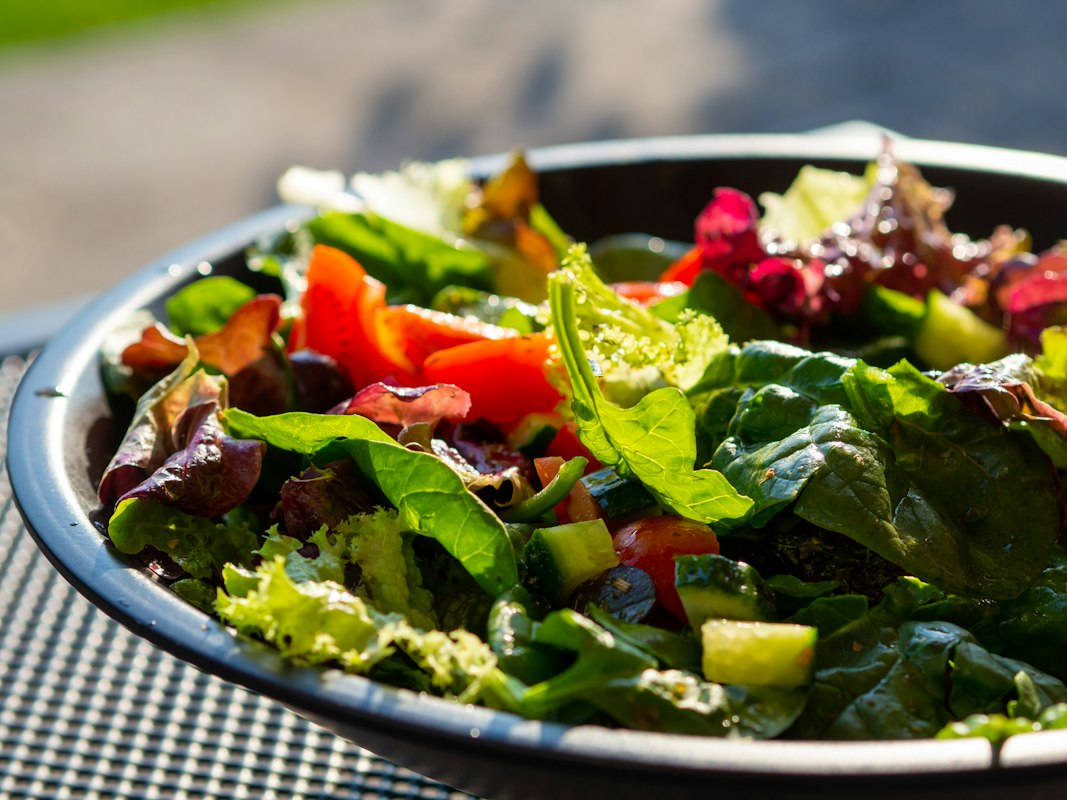
The Complete Guide to High-Fibre Produce
Explore which fruits and vegetables provide the most fibre, how to incorporate them gradually, and why consistency matters for long-term digestive wellness.
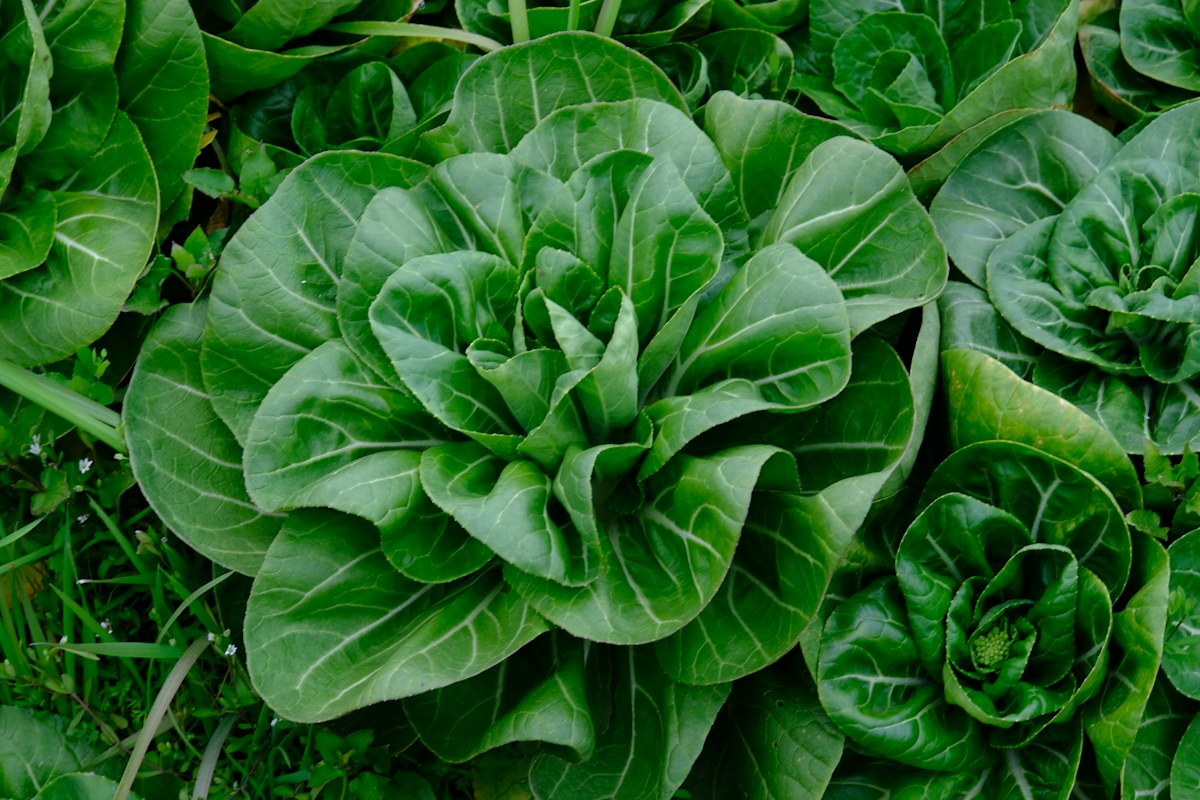
Seasonal Produce for Optimal Digestion
Discover which fruits and vegetables are in season in the UK and how eating seasonally can naturally support your digestive health throughout the year.
How Our Content Helps You
Evidence-Based Articles
Our editorial team researches and synthesises scientific information about produce and digestion, presenting complex nutrition concepts in clear, everyday language.
Practical Guidance
Beyond theory, we share practical tips on shopping, storage, preparation methods, and realistic ways to build a produce-rich eating pattern that works for your lifestyle.
Community Feedback
We value reader insights and experiences. Share your questions and stories with our editorial team to help shape future articles that address what matters most to you.
Reader Experiences
"I've read so many conflicting things about digestion online, but the articles here actually explain the 'why' behind recommendations. The guide on gradually increasing fibre was game-changing—I finally understand how to do it without discomfort. The seasonal produce recommendations have made eating healthier feel natural rather than forced."
Sarah Mitchell
Manchester
"As someone with a busy job and family commitments, I appreciated the practical article on quick vegetable preparation methods. The section on frozen versus fresh produce was particularly helpful—it gave me permission to use what's convenient while still getting the nutrients I need. Real, useful information."
James Robertson
Birmingham
"My teenage daughter and I have been reading these articles together. The explanations about how different foods affect energy and mood made nutrition relevant to her life. We've started exploring the farmers market more, and it's become a nice family activity. Thank you for making science accessible."
Emma Collins
Bristol
"The article on enzyme-rich fruits helped me understand why pineapple and papaya are recommended. I appreciate that you don't make outlandish claims but instead explain the mechanism. The FAQ section answered questions I didn't even know I had. Refreshingly honest and educational."
David Thompson
Edinburgh
Frequently Asked Questions
How much fibre do I need daily?
Most adults benefit from 25–30 grams of fibre daily, though individual needs vary. Rather than aiming for an exact number, focus on gradually increasing your intake of fruits, vegetables, whole grains, and legumes. Rapid increases can cause temporary digestive discomfort, so a gentle progression over several weeks is more sustainable.
Are frozen vegetables as nutritious as fresh?
Yes. Frozen vegetables are typically frozen at peak ripeness, preserving most nutrients and fibre content. In fact, they sometimes contain more nutrients than fresh produce that has been stored or transported for extended periods. Both frozen and fresh are excellent choices for digestive wellness.
Can I get enough nutrients from vegetables alone?
Vegetables and fruits are nutrient-dense, but a balanced diet includes protein, healthy fats, and whole grains too. The goal is variety and balance—combine produce with legumes, fish, eggs, nuts, and whole grains to create meals that support overall health and digestion.
Which produce is best for sensitive digestion?
Well-cooked vegetables like carrots, courgettes, and sweet potatoes tend to be gentler. Leafy greens like spinach and lettuce, ripe fruits like bananas, and berries are also commonly well-tolerated. Always introduce new foods gradually and pay attention to your body's response.
Should I peel vegetables, or eat the skin?
The skin contains fibre, antioxidants, and nutrients. When possible, eating the skin (especially on apples, pears, and potatoes) adds nutritional value. Always wash produce thoroughly. For some sensitive digestive systems, peeling might be initially helpful, but as digestion improves, skins can be reintroduced.
How long does it take to feel the benefits?
Many people notice changes in bowel regularity and energy within 1–2 weeks of consistently adding produce to their diet. However, benefits like improved nutrient absorption and microbiome balance develop over weeks and months. Consistency and patience are key.
Ready to Explore Digestive Wellness?
Browse our comprehensive guides, discover which produce suits your lifestyle, and join a community of readers learning how food and digestion work together. No prescriptions needed—just knowledge and practical advice.